
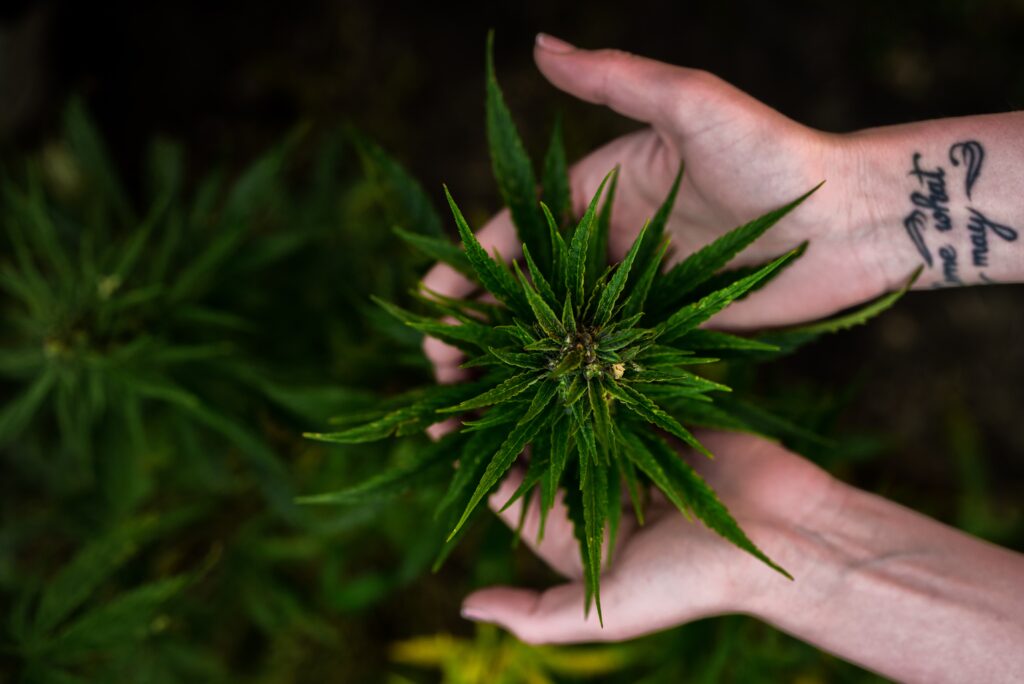
Growing cannabis in a small space can be challenging, but it is possible with the right approach. Whether you live in an apartment or have limited outdoor space, you can still grow your own cannabis plants and enjoy the benefits of this versatile plant.
Here are some tips for growing weed in a small space:
Choose the Right Strain
When growing cannabis in a small space, choosing a strain suitable for your environment is important. Some strains, such as sativas, tend to grow tall and may not be the best choice for a small space. Instead, consider growing indica or hybrid strains that are shorter and more compact.
Use a Grow Tent
One of the best ways to grow cannabis in a small space is to use a grow tent. Grow tents are portable and easy to set up, and they provide a controlled environment that’s perfect for growing weed. You can purchase a grow tent online or at a local hydroponics store, and they come in a range of sizes to fit any space.
Optimize your Lighting
Proper lighting is crucial for growing quality cannabis, and it’s especially important in a small space. You’ll want to use a high-quality LED grow light with enough intensity and coverage for your plants. Additionally, consider using reflective materials, such as Mylar or white paint, to maximize the amount of light your plants receive.
Use a Hydroponic System
Hydroponic systems are a popular choice for growing weed in small spaces. They allow you to grow plants in nutrient-rich water instead of soil, which can save space and provide better results. There are many different types of hydroponic systems to choose from, including deep water culture, drip irrigation, and nutrient film technique.
Control Humidity and Temperature
Growing cannabis requires a specific set of environmental conditions, including temperature, and humidity. Make sure your small space has good ventilation and airflow to prevent mold and mildew from developing. Use a fan to circulate air and invest in a small humidifier or dehumidifier if necessary.
Monitor your Plants
Monitoring your plants is key to ensuring they are healthy and thriving. Keep an eye on the leaves, as they can tell you a lot about the health of your plant. Yellowing or wilting leaves can indicate a nutrient deficiency or overwatering, while brown or yellow spots can indicate a pest or disease problem. Check your plants regularly for pests like spider mites or thrips, and treat them as soon as you notice any signs of infestation.
Follow these tips to get started, and remember to be patient and attentive to your plants’ needs. Happy growing!