
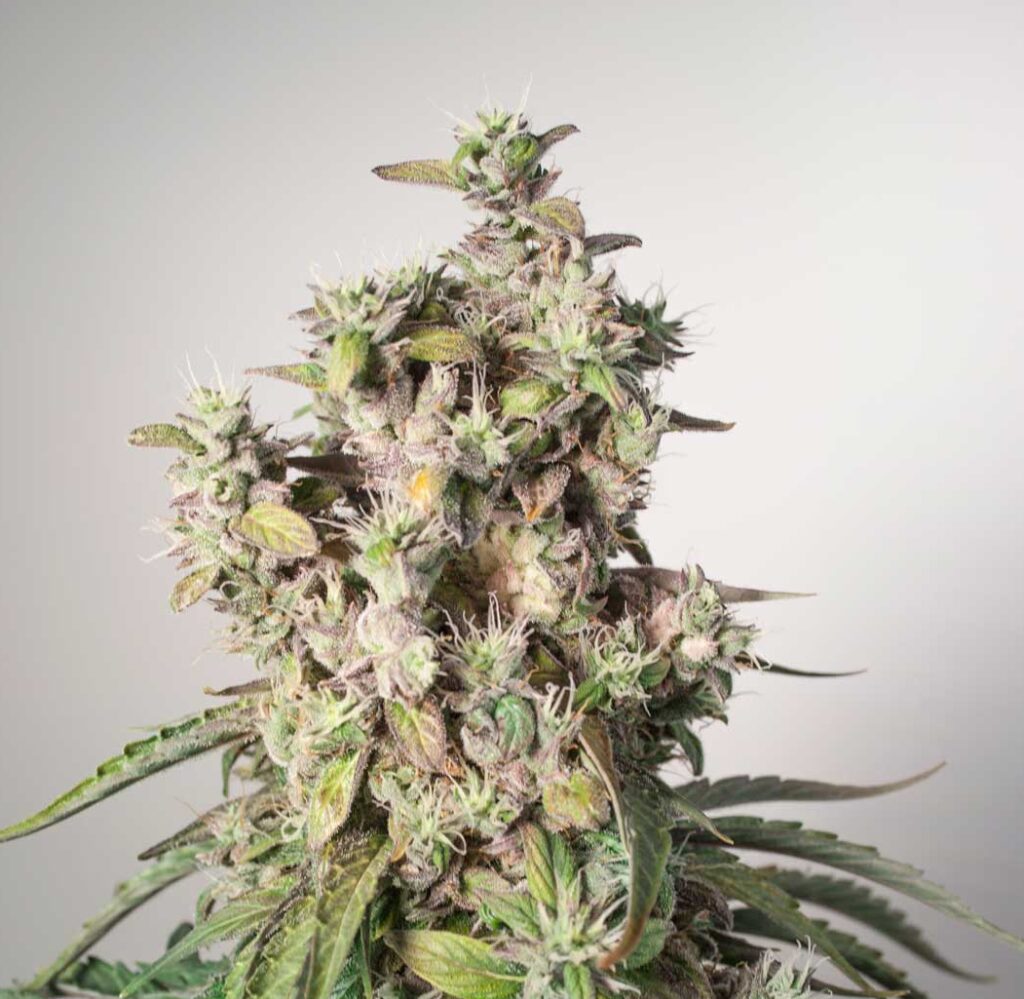
Cannabis cultivation is a delicate art that requires a deep understanding of plant biology, environmental factors, and various cultivation techniques. One phenomenon that often perplexes growers is “foxtailing.”
Foxtailing refers to the abnormal growth pattern of cannabis buds, resembling the bushy tail of a fox. While it may seem intriguing, foxtailing can impact the quality and potency of your cannabis harvest.
We will explore what foxtailing is, its causes, effects, and how to manage it effectively.
What is Foxtailing?
Foxtailing occurs when cannabis buds develop elongated and spiky clusters, rather than the dense and compact formations typical of well-developed flowers. These elongated clusters can resemble multiple smaller buds growing atop one another, giving the appearance of a fox’s tail.
Causes of Foxtailing
Several factors can contribute to the development of foxtailing in cannabis plants:
Light Intensity: One of the primary causes of foxtailing is high light intensity during the flowering stage. Intense light, particularly when it’s too close to the canopy, can cause the plant to continue producing new calyxes and pistils, leading to an elongated, spiky appearance.
Heat Stress: Elevated temperatures, especially during the flowering phase, can induce foxtailing. High heat can disrupt the normal development of buds and cause the plant to focus on producing new growth instead of maturing existing flowers.
Genetics: Some cannabis strains are more prone to foxtailing due to their genetic predisposition. If you consistently experience foxtailing with a particular strain, it might be worth considering alternative strains better suited to your cultivation environment.
Nutrient Imbalances: Incorrect nutrient ratios or excessive nutrient levels can also trigger foxtailing. Overfeeding the plants with nutrients, particularly those high in nitrogen can lead to an imbalance in bud development.
Effects of Foxtailing
Foxtailing can have several negative effects on the quality of your cannabis harvest:
Reduced Potency: Foxtailed buds often have lower cannabinoid and terpene concentrations. This can result in decreased potency and less intense flavors and aromas.
Harvest Complications: The uneven growth pattern of foxtailed buds can complicate the harvesting process. Trimming becomes more challenging, and the overall yield might be reduced due to the airy nature of the elongated clusters.
Aesthetic Concerns: While aesthetics might not be the primary concern, foxtailed buds can look less appealing compared to well-formed, dense flowers. This can impact market value and consumer perception.
Managing Foxtailing
Fortunately, there are several steps you can take to prevent or manage foxtailing:
Optimal Light Distance: Ensure that your grow lights are positioned at the correct distance from the canopy. This will prevent excessive light intensity that can trigger foxtailing.
Temperature Control: Maintain a stable temperature within the appropriate range for the flowering stage. Adequate ventilation and cooling mechanisms can help prevent heat stress.
Genetics Selection: If foxtailing is a recurring issue with a specific strain, consider switching to strains known for their resistance to this phenomenon.
Nutrient Management: Follow a balanced nutrient regimen, adjusting nutrient levels according to the growth stage. Avoid overfeeding your plants, especially with nitrogen-rich nutrients during the flowering phase.
Final Words
Foxtailing is a perplexing issue that can impact the quality and yield of your cannabis harvest. Understanding the underlying causes and implementing appropriate measures can help you prevent or manage foxtailing effectively.
By providing optimal growing conditions and careful monitoring, you can ensure that your cannabis plants produce dense, potent, and visually appealing buds that meet both your expectations and the standards of discerning consumers.